Office chair vs kneeling chair vs saddle stool
Three very different answers to the same problem: how to sit for hours without your body paying for it. Here is what each seat actually does, and who it suits.
At a glance
| Product | Best for | Price | Warranty |
|---|---|---|---|
| ErgoPro Mesh Office Chair | Breathable mesh, full adjust | € 249.95 | 2 years |
| Lite Ergonomic Task Chair | Compact, supportive | € 159.95 | 2 years |
| Executive High-Back Chair | High back, headrest | € 329.95 | 2 years |
| Balance Kneeling Chair | Opens the hips, engages core | € 119.95 | 2 years |
| Active Saddle Stool | Perch, don't slump | € 99.95 | 2 years |
| Lumbar Back Support | Memory foam, straps | € 44.95 | 2 years |
| Seat Comfort Cushion | Pressure-relief foam | € 39.95 | 2 years |
Three seats, three philosophies
These are not three versions of the same product. A conventional office chair supports you: it takes the weight of your torso through a backrest so your muscles can relax. A kneeling chair and a saddle stool do the opposite — they remove most of the back support on purpose, tilt your pelvis forward, and let your own core hold you upright. That trade is the whole story. Support means you can sit for a long time comfortably, but it also invites slumping and long stretches of stillness. Active seating keeps your spine in its natural curve and your muscles gently switched on, but it asks more of your body and is tiring if you overdo it. The honest ergonomic position is that no single seat is 'correct'. Research on prolonged sitting keeps pointing to the same conclusion: the best posture is your next posture. Movement and variety matter more than any one perfect chair. So the useful question is not 'which seat wins' but 'which seat fits the hours I actually sit, the desk I have, and the way my body feels at 4pm'.
The office chair: your default, and for good reason
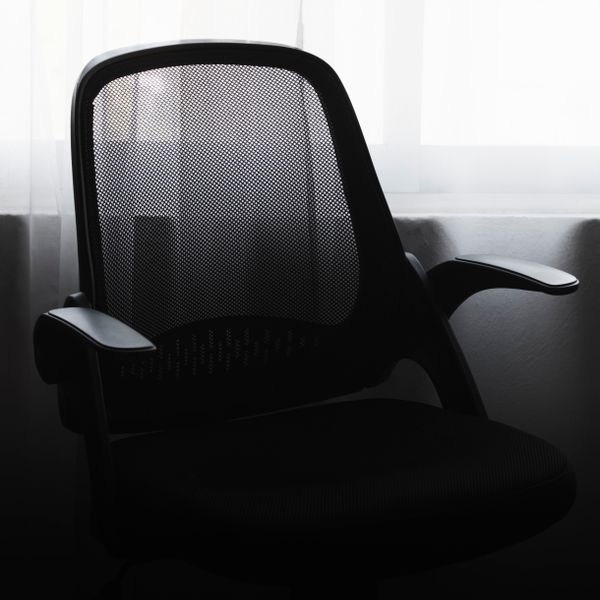
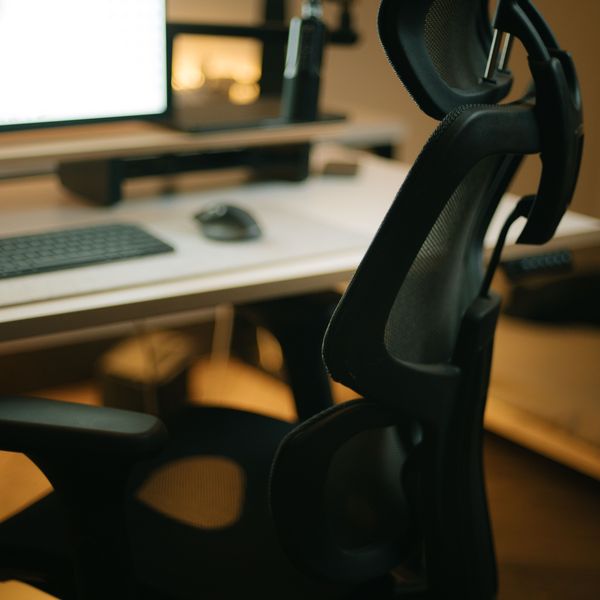
For a full working day, a properly adjusted office chair is still the most sensible base. A good one lets you set seat height so your feet rest flat and your thighs sit roughly parallel to the floor, gives you lumbar support that fills the small of your back, and reclines. That recline is doing real work: leaning back to around 100–110 degrees rather than sitting bolt upright at 90 measurably lowers the pressure load on your lower spine, because the backrest carries part of your upper-body weight instead of your discs and muscles. What separates a good chair from a cheap one is the number of things you can tune to your body. A mesh task chair like the ErgoPro gives you adjustable lumbar, armrests and tilt on a breathable back — enough to dial in a genuinely neutral posture for eight hours. If your space or budget is tighter, the Lite Ergonomic Task Chair covers the essentials of height and tilt in a smaller footprint. If you lean back often and want to rest your head and neck, a high-back seat with a headrest, like the Executive chair, supports you further up the spine. Whichever you pick, spend ten minutes actually adjusting it — an unadjusted premium chair performs like a bad one.

ErgoPro Mesh Office Chair
Breathable mesh, full adjust

Lite Ergonomic Task Chair
Compact, supportive
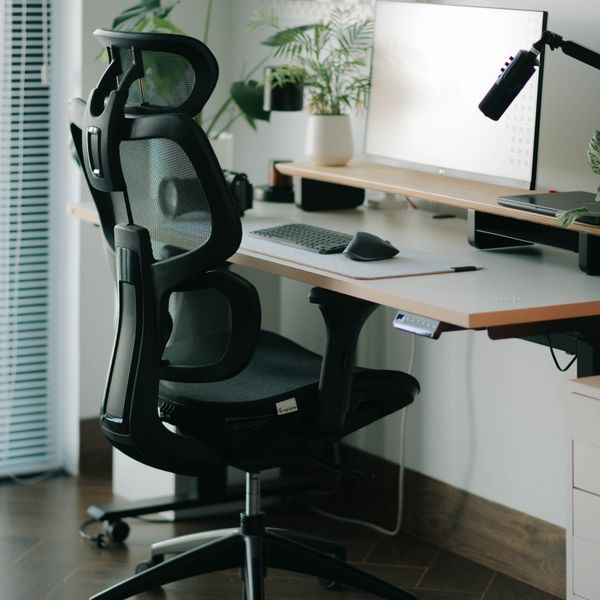
Executive High-Back Chair
High back, headrest
The kneeling chair: open hips, engaged core, watch the shins
A kneeling chair angles the seat forward by roughly 20–30 degrees and gives you shin pads to catch some of your weight. Tipping the pelvis forward like this rolls your lower back into its natural inward curve almost automatically, so you tend to stack your spine and open your hip angle without consciously trying. There is no backrest to slump against, so your core stays quietly active. Many people find it takes pressure off the lower back that a poorly set chair was creating. The trade-offs are real and worth knowing before you buy. Weight that used to sit under your thighs now partly rests on your shins and knees, which can feel tight or restrict circulation if you stay put too long — and it makes kneeling chairs a poor fit for anyone with existing knee problems. There is nothing to lean back into when you want a break, and getting in and out is less casual than dropping into a normal chair. Treat it as a posture you rotate into for an hour or two of focused desk work, not a throne for the entire day. The Balance Kneeling Chair is height-adjustable so you can match its forward-tilted seat to your desk.

The saddle stool: perch high, reach forward, sit tall
A saddle stool borrows its shape from a riding saddle: your legs drop down and slightly apart, opening the hip angle to around 135 degrees and settling your pelvis into a neutral, upright position that keeps the spine's natural S-curve with very little effort. Because you sit higher and more forward, it suits work where you lean in and reach — sketching, detailed hands-on tasks, or simply staying alert during shorter sessions. It is genuinely a half-way house between sitting and standing, and it makes small weight-shifts and micro-movements easy, which is exactly the kind of gentle activity static sitting lacks. Two practical points decide whether it works for you. First, desk height: a saddle stool raises your hips, so a standard fixed desk will often feel too low — it pairs best with a taller surface or a sit-stand desk you can lift. Second, break-in: the sit-bones and inner thighs carry the load, and most people need a week or two to adjust before it feels natural. The Active Saddle Stool rides on a five-star castor base so you can roll and pivot freely, which is part of the point — it is built to be moved in, not sat still on.
How to choose — or better, how to combine
Match the seat to the hours. If you sit for most of a working day and want reliable comfort, start with a well-adjusted office chair as your base; it is the only one of the three designed to support you through long, static stretches. If your lower back complains in a normal chair and you want to stay more upright and active, a kneeling chair is the more supportive of the two active options because the shin pads share the load. If your work involves leaning in and you already have — or can raise — a higher desk, a saddle stool keeps you mobile and tall. The strongest setup for many people is not one chair but two used in rotation: a supportive office chair for the long haul, and a kneeling chair or saddle stool you switch to for a couple of focused hours. Alternating between them gives your body the postural variety that matters most. You can also improve a chair you already own before replacing it — a firm lumbar cushion restores the lower-back support that flattens out over time, and a memory-foam seat cushion evens out pressure on a hard or worn seat. Both are cheap ways to buy back comfort while you decide.
Lumbar Back Support
Memory foam, straps

Seat Comfort Cushion
Pressure-relief foam
A quick reality check on active seating
Active seats are sometimes sold as a cure. They are not. A kneeling chair or saddle stool encourages a better posture and more movement, and for a lot of people that eases the low-grade aches that come from slumping in a bad chair all day. But sitting forward for eight straight hours on any of them will tire you out and can create new pressure points, which is why they work best in shorter, deliberate stints rather than as an all-day replacement. If you have persistent back, hip or knee pain, none of these is a substitute for proper advice — this is general ergonomic guidance, not medical advice, and a physiotherapist or doctor should weigh in on ongoing pain. Every Deskt seat ships free within the EU with a 14-day return window and a 2-year warranty, so if a kneeling chair or saddle stool turns out not to suit your body or your desk, you are not stuck with it. Try it against your real work for a week before you decide.
FAQ
Can a kneeling chair or saddle stool be my only chair all day?
For most people, no. Both remove the backrest and keep your core active, which is good in shorter stints but tiring over a full day, and both put pressure on areas — shins and knees, or the sit-bones — that need breaks. They work best rotated in for one or two focused hours alongside a supportive office chair, giving you the postural variety that matters more than any single seat.
Do I need a special desk for a saddle stool?
Often, yes. A saddle stool raises your hips higher than a normal chair, so a standard fixed desk can feel too low and push you to hunch. It pairs best with a taller surface or a height-adjustable sit-stand desk. A kneeling chair and a conventional office chair both work with a normal desk height, so check your desk before choosing the stool.
Is a kneeling chair a good idea if I have knee problems?
Generally not. A kneeling chair shifts part of your body weight onto your shins and knees, which can aggravate existing knee issues or restrict circulation if you stay put too long. If your knees are a concern, a well-adjusted office chair or a saddle stool — which loads the sit-bones instead — is the safer starting point. For ongoing pain, ask a physiotherapist; this is general guidance, not medical advice.
My current chair hurts my back — do I need to replace it?
Not necessarily. Many chairs lose their lower-back support as the padding flattens, and an unadjusted chair performs like a bad one, so first set your seat height and lumbar correctly. A firm lumbar cushion can restore the support in the small of your back, and a memory-foam seat cushion evens out a hard or worn seat. Both are inexpensive fixes worth trying before you buy a new chair.